



What Makes a Successful Spa Skincare Brand? (And Why Most Hotels Get It Wrong)
The professional spa skincare market is well served by established brands with genuine reputations and significant retail presence. For hotel spas, the instinct is often to align with a recognisable name and hope the association carries the commercial weight. Occasionally it does. More often, the commercial reality — high product costs, strict minimum orders, rigid retail agreements — quietly erodes the margin the brand was supposed to create.
The problem is not the quality of the products. The problem is the model. Premium branded lines typically come with high product costs, significant minimum orders, rigid retail agreements and a commercial structure that leaves very little margin for the spa operator. You are buying brand equity — but it is their brand, not yours.
What spa operators actually need from a skincare partner
The most commercially successful spa skincare relationships share a few consistent features. First, the cost per treatment has to make sense at a unit level — not just in a brochure projection, but in the actual numbers your finance team sees. When treatment product costs exceed a sensible percentage of the treatment price, the model quietly breaks. Most spas do not track this carefully enough until margins are already under pressure.
Second, the retail experience and the professional treatment experience need to be connected. Therapist upsell happens naturally when the product the client is experiencing on the treatment table is the same product available to take home. If there is a disconnect — different formulations, different packaging, different branding — the upsell conversation becomes awkward and rarely happens. The best spa skincare ranges solve this by design.
The refillable model: the change that most brands still haven't made
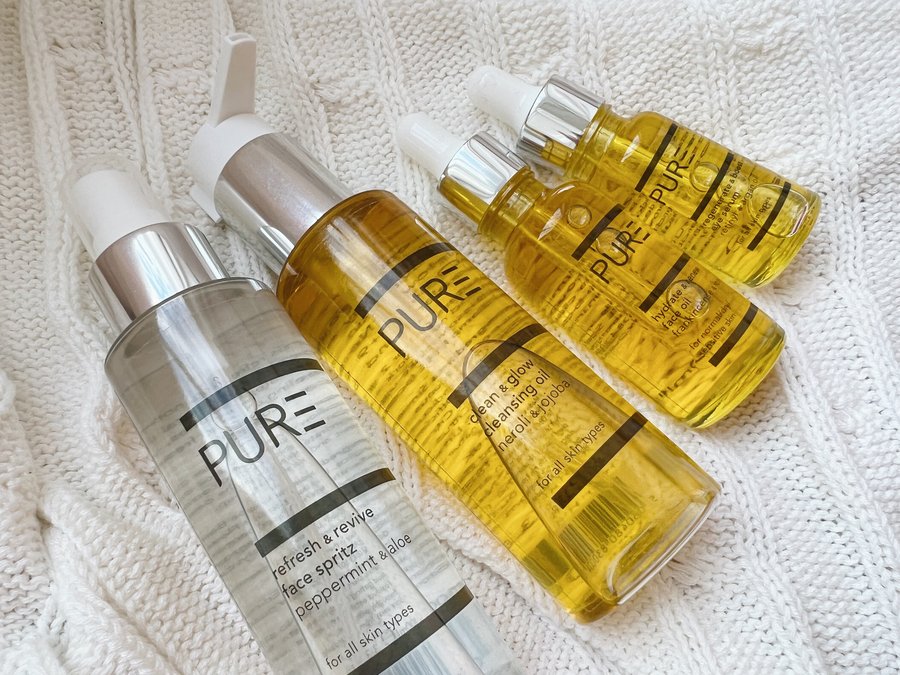
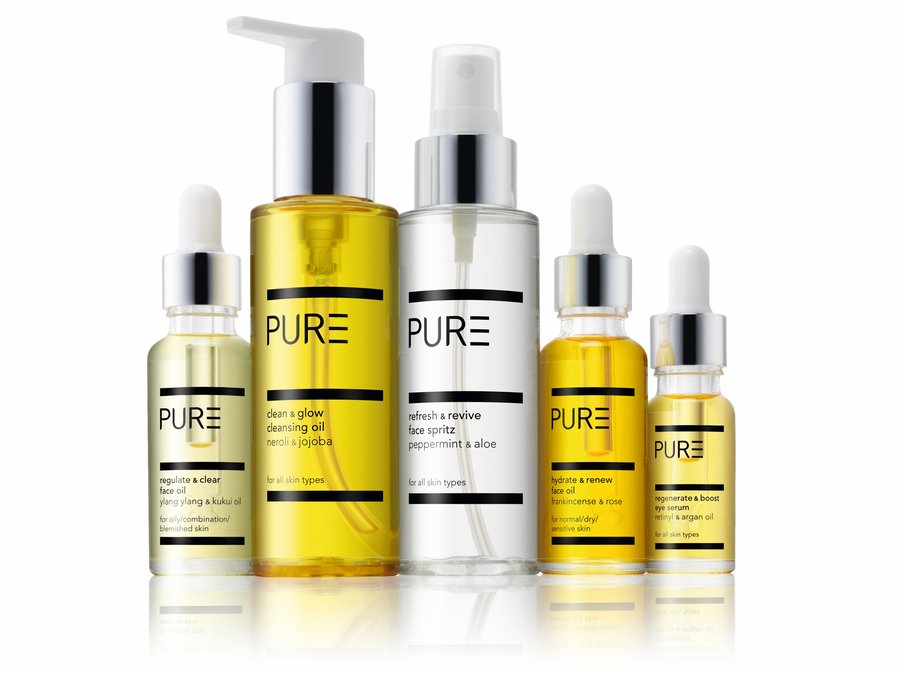
One of the most significant operational advances in professional spa skincare is the refillable product model. Rather than buying professional-size products separately from retail stock — with different formulations, different branding, often different suppliers — a genuinely refillable model means your therapists work with the same product your clients can purchase at the front desk, restocked from economical 1L and 5L bulk professional sizes held in the stockroom.
The implications are significant. Wastage from over-application drops. Stock management simplifies. The upsell becomes effortless. And the cost per treatment falls dramatically — to under £2 per massage and under £3 per facial with PURE Spa Skincare's professional partner pricing, compared to multiples of that with some of the leading branded ranges.
100% natural: the standard is rising
Client expectations around product ingredients have shifted substantially in the past five years. Where luxury skincare was once defined by heritage and exclusivity, it is now defined equally by transparency and natural formulation. The direction of travel is clear — and a 100% natural formulation, clearly communicated, is an increasingly powerful commercial advantage for any spa.
For spa operators, this means that choosing a skincare range with strong natural credentials is no longer a niche decision — it is increasingly a baseline expectation from a growing segment of spa-goers. A 100% natural formulation, clearly communicated, is a commercial advantage.
The partner model versus the supplier model
There is a meaningful difference between a skincare company that sells to you and one that partners with you. The partner model — which is what PURE Spa Skincare operates — includes free therapist training, free marketing templates, free UK delivery and a clear commitment never to undercut your retail sales. No minimum order quantities means you can start without risk and scale as the relationship grows.
If you are operating or evaluating a hotel spa skincare range and the current model is not delivering the margins, the ease of operation or the client outcomes it should — it is worth exploring what a different approach looks like. PURE Spa Skincare's professional partner programme is a good place to start.